
When Is an Area Radiation Survey Required?
An area radiation survey is typically required when a new imaging room is constructed, radiation-generating equipment is relocated, or radiation shielding is modified. Several states’ regulations specifically require area radiation surveys by qualified experts before radiation generating equipment is placed into service.
When Is an Area Radiation Survey Required?
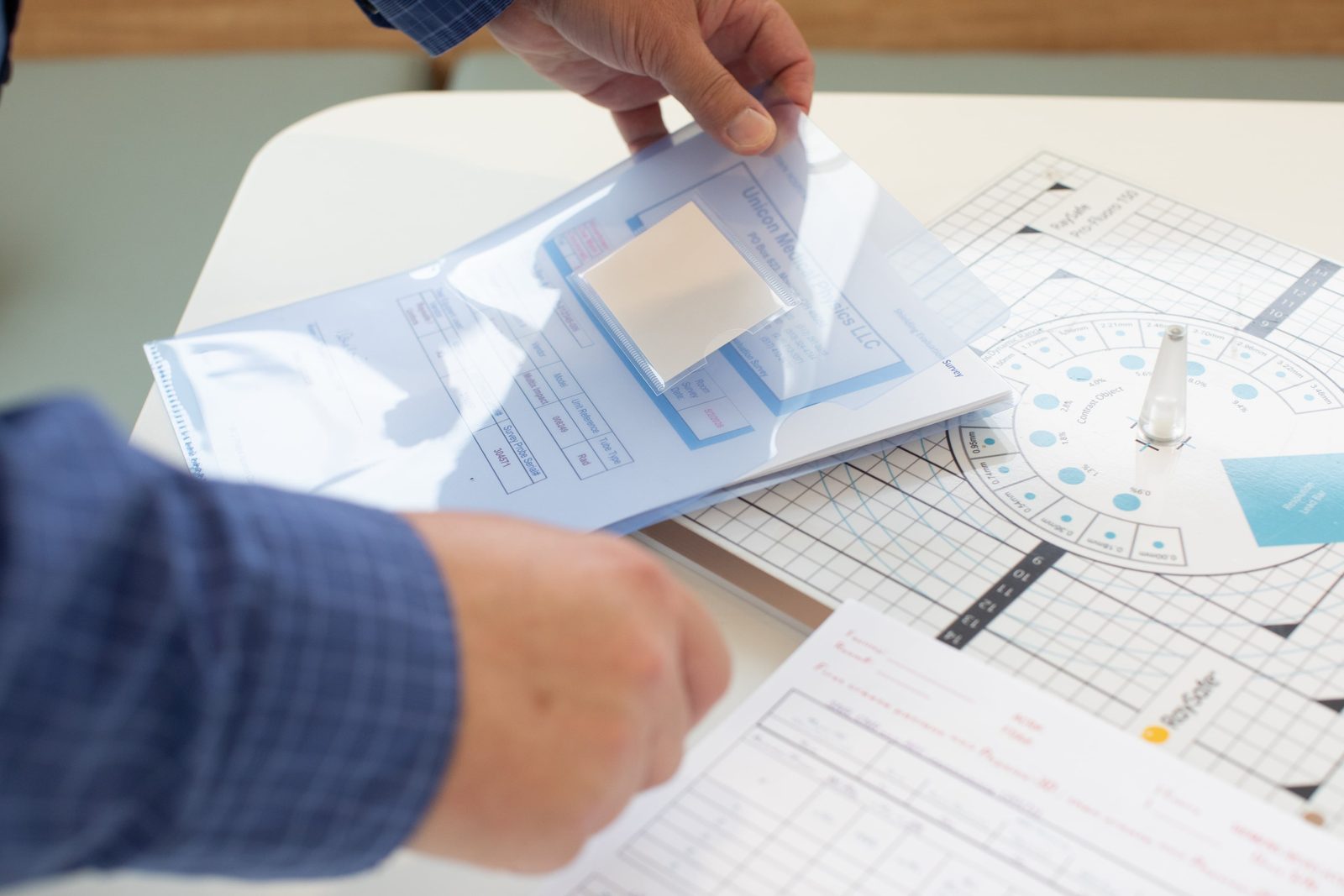
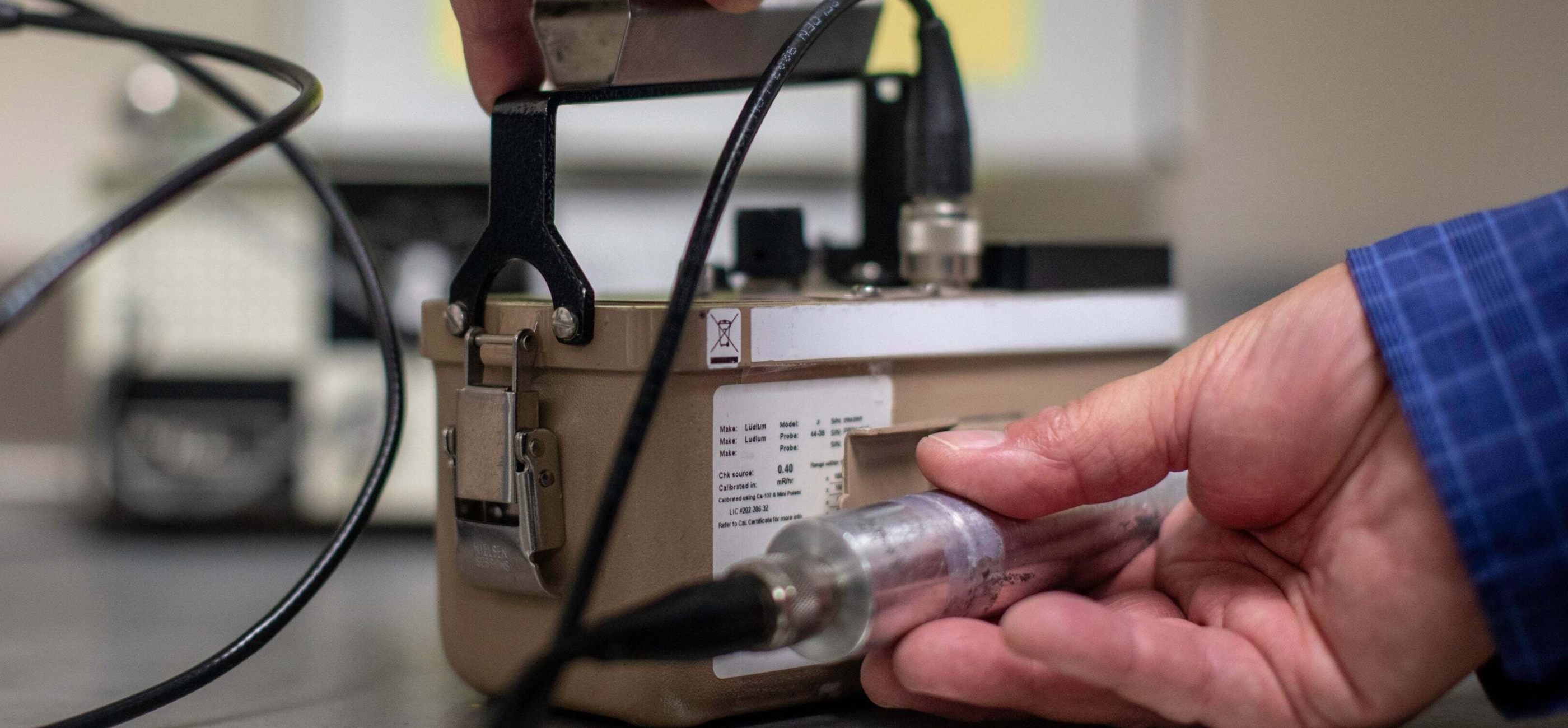
An area radiation survey is typically required when a new imaging room is constructed, radiation-generating equipment is relocated, or radiation shielding is modified. Several states’ regulations specifically require area radiation surveys by qualified experts before radiation generating equipment is placed into service. The survey measures radiation levels in locations surrounding radiation generating equipment, and verifies that shielding calculations performed during room design accurately reflect real-world conditions, ensuring that patients, staff, and members of the public are adequately protected. Once completed, area radiation surveys are then valid until either the equipment or the room is modified.
New rooms housing radiographic, fluoroscopic, CT, dental, or veterinary x-ray equipment usually require radiation shielding designs during the design phase and an area radiation survey after installation. The objective is to confirm that actual radiation levels are safe and reasonable before routine operation begins.
Moving radiation generating equipment into a different room or replacing old equipment may change distances, occupancy factors, shielding orientations, and workload assumptions. Even when the same equipment is used, the shielding design may no longer be appropriate. A post-installation survey helps confirm ongoing compliance.
Facilities should strongly consider a new area radiation survey whenever lead-lined walls, doors, windows, or adjacent occupancies are modified. Renovations can alter exposure patterns in ways that are not immediately obvious.
Ohio, Kentucky and Indiana Requirements
Ohio regulations require area radiation surveys for new installations, major remodels, and equipment relocations. Ohio regulations also require shielding designs prior to construction. Rule 3701:1-66-02(H)(1) requires facilities to “use a radiation expert to prepare a shielding design” before new construction, renovation, and certain new equipment installations that could increase radiation hazards [Ohio Administrative Code 3701:1-66-02(H)(1)]. Facilities then need to perform post-installation area radiation surveys to verify that actual radiation levels meet regulatory thresholds. Ohio also restricts the use of equipment that does not comply with applicable requirements unless a radiation expert determines that the condition does not pose a radiation risk [Ohio Administrative Code 3701:1-66-02(D)].
Kentucky requires preregistration information that includes facility plans, specifications, and qualified expert evaluations. Shielding design review and verification are important components of demonstrating compliance, and Kentucky emphasizes shielding review during the planning phase. Under 902 KAR 100:110, preregistration submissions must include “plans and specifications for the proposed facility and an evaluation by a qualified expert as required by 902 KAR 100:160” [Kentucky 902 KAR 100:110 Section 2(4)]. This language makes qualified expert review and shielding evaluation central components of regulatory compliance before equipment is placed into service, and the state must review and approve all shielding plans prepared by qualified experts. Although the regulations focus heavily on design review, facilities commonly perform area radiation surveys after installation to demonstrate that measured radiation levels are consistent with approved shielding calculations. For hospitals, Joint Commission accreditation typically requires area radiation surveys for medical imaging systems that use ionizing radiation.
Indiana contains some of the clearest survey language in the region. State rules require surveys of new and existing facilities and additionally require surveys after changes that could significantly increase radiation hazards. The survey must be completed before diagnostic use of the system. Section 410 IAC 5-6.1-118(c) states that “all new and existing facilities shall be surveyed” and further requires surveys after changes that might significantly increase radiation hazards. The same provision states that “The survey shall be done before the x-ray system is used for diagnostic purposes.” Indiana also requires that floor plans and equipment arrangements be evaluated for shielding adequacy before construction and that “A safety survey shall be performed prior to first use” [Indiana 410 IAC 5-6.1-118(bb)]. Together, these requirements create a two-step compliance process consisting of shielding design review followed by post-installation verification by means of an area radiation survey.
What Happens During an Area Radiation Survey?
A qualified medical physicist reviews room layouts and shielding assumptions, operates the equipment using representative techniques, measures radiation levels in nearby occupied areas, evaluates compliance, and documents results in a formal report. An area radiation survey is not the same as annual physics testing. While both may be performed by a medical physicist, annual equipment performance testing evaluates imaging system performance, whereas an area survey evaluates radiation levels outside the imaging room and shielding effectiveness.
Area radiation surveys are known by many different names, including shielding evaluations, room surveys, radiation surveys, shielding verification surveys, radiation safety surveys, and post-installation surveys. Although the terminology varies, these services all involve measuring radiation levels around x-ray, CT, fluoroscopy, dental, veterinary, and other radiation-generating equipment to verify shielding effectiveness, support regulatory compliance, and protect patients, staff, and the public. In most cases, the terms are used interchangeably and refer to the same fundamental process of confirming that a facility's radiation protection measures are functioning as designed.
Bottom Line
Area radiation surveys are commonly required in Ohio and Indiana and strongly recommended in Kentucky following
- equipment installation,
- equipment relocation,
- room shielding modifications, or
- facility renovation.
An area radiation survey provides documentation that radiation protection measures are functioning as intended and help support a safe and compliant radiation environment. Apart from state regulations, hospitals also need to consider that Joint Commission accreditation typically requires area radiation surveys for medical imaging systems that use ionizing radiation.
Frequently Asked Questions
Do I need a survey when replacing an existing x-ray unit?
Possibly. If the room configuration has changed, if the radiation output of the new unit is higher than the one it is replacing, or if existing shielding (walls, floor, ceiling) were affected, then a new survey would be required (in Ohio and Indiana) or strongly recommended (in Kentucky).
Who can perform an area radiation survey?
A qualified medical physicist, health physicist, or other state-approved expert depending on jurisdiction.
Can an inspection replace a survey?
No. Regulatory inspections and radiation surveys serve different purposes.
Regulatory References
- Ohio Administrative Code Rule 3701:1-66-02
- Ohio Department of Health Radiation Rule Guidance
- Kentucky 902 KAR 100:110 Registration of X-Ray
- Kentucky 902 KAR 100:160 Plan Review
- Kentucky Radiation Producing Machines Program
- Indiana 410 IAC 5-6.1-118 General Requirements for Operation of X-Ray Equipment
- Indiana Department of Health New and Existing Radiation Machine Facilities


Need an area radiation survey or a pre-construction shielding design?
We serve facilities across Ohio, Kentucky, Indiana and the Midwest. If you're looking for a physics team that’s reliable, timely and reachable, we'd love to hear from you.